
Nằm tại trung tâm kinh tế phát triển phòng tập Unity Fitness với những tiện ích và dịch vụ đạt chuẩn 5 sao đã có mặt tại Hà Nội với mục đích nâng cao chất lượng cuộc sống của quý khách hàng. Cơ sở vật chất, các thiết bị được trang bị đầy đủ, không gian phòng tập rộng – thoáng,… Đặc biệt, đội ngũ nhân viên nhiều kinh nghiệm, luôn tâm huyết nên mang lại hiệu quả cho khách hàng. Unity Fitness sẽ giúp cho các bạn được tỏa sáng và tự tin hơn mỗi ngày, hãy đồng hành cùng Gym Unity Fitness ngay hôm nay các bạn nhé!
Sơ lược đôi nét về Gym Unity Fitness
Phòng tập Unity Fitness với mục đích nhằm tạo ra được môi trường luyện tập cao cấp, hiện đại với đầy đủ; đa dạng các thiết bị tân tiến những dịch vụ khác nhau như Gym, Yoga, huấn luyện viên cá nhân,… đi cùng với đó là rất nhiều những dịch vụ khác nhau, để quá trình tập luyện trở lên dễ dàng. Đặc biệt, hỗ trợ nâng cao chất lượng sức khỏe, tạo được niềm vui trong cuộc sống đến với quý khách hàng.
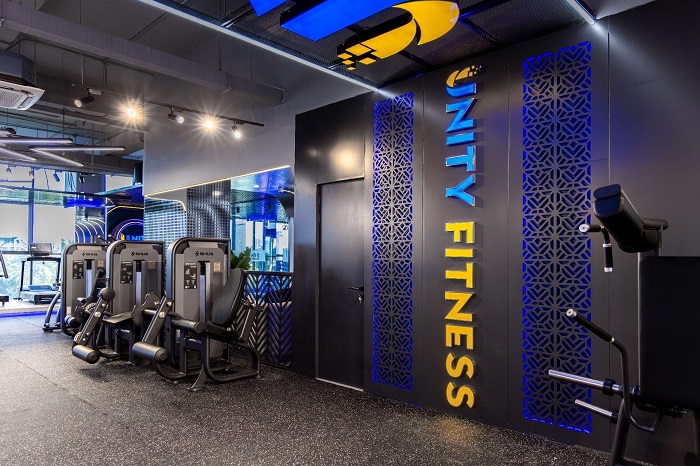
Unity Fitness cũng không chỉ dừng lại là phòng tập thông thường, mà đây sẽ là nơi hội tụ của phong cách sống năng động – hiện đại, là những câu chuyện truyền cảm hứng mới,… Bên cạnh đó, sẽ có những người thầy, người bạn luôn đồng hành sát cánh, sẽ luôn hỗ trợ các bạn trong suốt thời gian thay đổi bản thân. Cũng từ đó bạn dễ dàng chinh phục được ngọn núi cao nhất trong cuộc đời của mỗi người đó là “chính mình”.
Kế hoạch phát triển của phòng tập gym Unity Fitness
Mục tiêu lớn lao nhất đó là tạo ra được môi trường luyện tập thể thao thẩm mỹ hiện đại, cao nhất để nâng cao sức khỏe, để lan tỏa niềm vui trong cuộc sống, CLB gym Unity Fitness đã không ngừng cố gắng hoàn thiện cũng như nâng cao các dịch vụ trải nghiệm của khách hàng.
Bên cạnh đó, cũng không quên gửi lời cảm ơn đến các quý khách hàng đã gắn bó, đã sát cánh cùng với Gym Unity Fitness trả qua những niềm vui, nỗi luôn hay là những thăng trầm trong suốt thời gian qua. Phòng tập gym Unity Fitness chúng tôi sẽ luôn giữ vững mục tiêu, tiếp tục mang đến phong cách sống năng động – hiện đại và các câu chuyện truyền cảm hứng đến với nhiều quý khách hàng hơn nữa. Vì vậy, CLB gym Unity Fitness rất mong sẽ tiếp tục nhận được nhiều sự ủng hộ của quý khách hàng trong thời gian tới.
Quá trình hình thành & Phát triển của phòng tập gym Unity Fitness
Trong những năm trở lại đây, xã hội phát triển và nền kinh tế tăng trưởng đi cùng với đó là chất lượng cuộc sống của con người ngày càng được nâng cao. Chính vì vậy, rất nhiều trung tâm thương mại, rất nhiều biệt thự, toàn nhà cao tầng mọc lên kèm theo đó là rất nhiều các trung tâm, Câu lạc bộ, phòng tập gym mở ra để đáp ứng nhu cầu nâng cao chất lượng cuộc sống của mọi người.
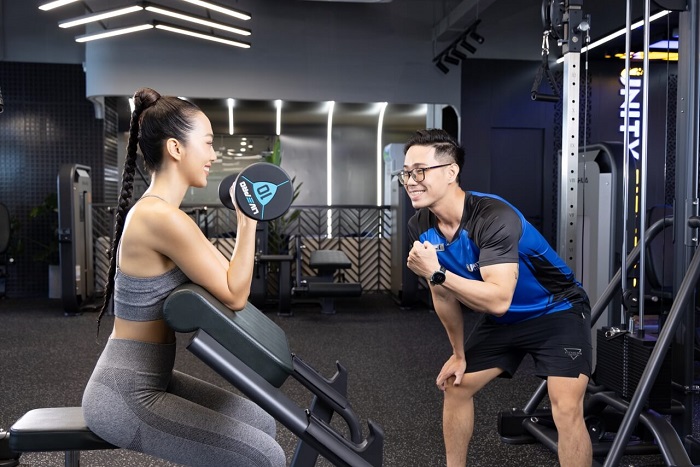
Unity Fitness đã chính thức tham gia vào lĩnh vực mở các phòng tập thể hình, tạo nên phong cách sống năng động, khỏe khoắn cho người dân thủ đô.
- Tầm nhìn: Unity Fitness – Phòng tập gym số 1 tại Hà Nội;
- Sứ mệnh: Kim chỉ nam hướng đến “Không ngừng nỗ lực phát triển vì quý khách hàng”. Sẽ làm hài lòng quý khách hàng từ những giá trị gia tăng như cung cấp những dịch vụ tốt nhất.
Mục tiêu chiến lược phát triển của phòng tập gym
- Tối đa giá giá trị đầu tư của từng cổ đông khác nhau, sẽ giữ vững tốc độ tăng trưởng lợi nhuận cũng như tình hình tài chính một cách lành mạnh nhất.
- Sẽ không ngừng nâng cao động làm lực làm việc và cả năng lực cán bộ. Phòng tập Unity Fitness luôn dẫn đầu trong các dịch vụ thể thao tốt nhất. Đặc biệt, sẽ phát triển thêm các chính sách đãi ngộ cũng như cơ hội thăng tiến nghề nghiệp trong tương lai đối với từng nhân viên của Unity Fitness.
- Sẽ duy trì mức độ hài lòng, lòng trung thành và gắn bó của quý khách hàng cùng với phòng tập gym Unity Fitness. Xây dựng Gym Unity Fitness thành một trong số các địa chỉ hàng đầu tại Hà Nội có chất lượng dịch vụ tốt nhất để quý khách hàng lựa chọn.
Thế mạnh & Định hướng phát triển của Unity Fitness
Kim chỉ nam của Unity Fitness đó là “Không ngừng phát triển vì khách hàng”, hiện phòng gym Unity Fitness quy tụ đội ngũ dày dặn kinh nghiệm trong lĩnh vực gym. Đi cùng với đó là đội ngũ nhân viên trẻ, vô cùng năng động và chuyên nghiệp nên đã tạo ra thế mạnh nòng cốt của Gym Unity Fitness nhằm thực hiện tốt từng mục tiêu đã đề ra trước đó.
Bên cạnh đó, trên cơ sở nguồn lực của Unity Fitness cũng như nhu cầu của xã hội, Unity Fitness đã lựa chọn phát triển bộ môn tập thể hình để phục vụ nhu cầu của khách hàng với rất nhiều các dịch vụ nâng cao sức khỏe khác đi kèm.
Unity Fitness chia sẻ những tiêu chí lựa chọn phòng tập gym chất lượng tại Hà Nội
Một trong số những yếu tố cần thiết trong suốt quá trình nâng cao sức khỏe, lấy lại được vóc dáng như mơ ước đấy chính là lựa chọn được phòng tập thể hình chất lượng và uy tín nhất. Ngoài việc quan tâm đến giá thành ở các phòng tập gym thì quý khách hàng cũng nên cân nhắc một số các tiêu chí được đội ngũ chuyên gia Unity Fitness như sau:
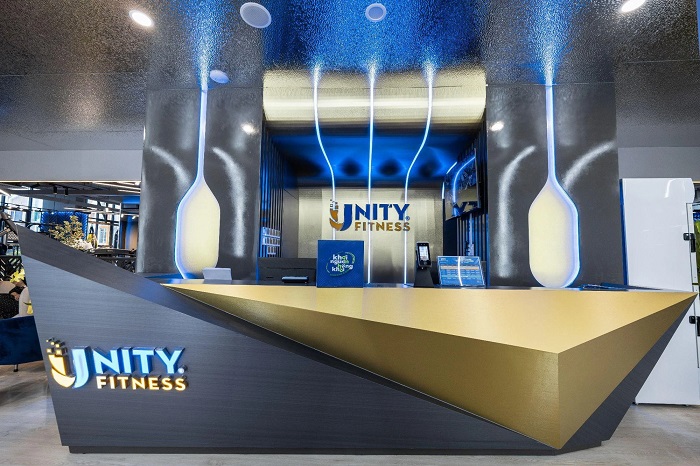
1. Cơ sở vật chất & Trang thiết bị dụng cụ
Phòng gym đạt tiêu chuẩn khi đã sở hữu cơ sở vật chất đạt chất lượng, hệ thống thiết bị máy móc đầy đủ. Tốt nhất mọi người nên lựa chọn những cơ sở gym với nhiều máy móc hiện đại, tân tiến, từ phổ biến cho đến nâng cao như:
- Máy tập sức bền;
- Máy tập chạy;
- Một số những loại máy cardio như xe đạp leo dốc, xe đạp recumbent, xe đạp thẳng đứng,
- …
Có như vậy thì mọi người mới đa dạng được mức độ lựa chọn sao cho phù hợp với thể trạng cũng như nhu cầu trong suốt thời gian tập luyện. Tại Hà Nội, phòng tập Unity Fitness cũng là một trong những địa chỉ lý tưởng để mọi người lựa chọn và đồng hành cải thiện – nâng cao sức khỏe.
2. Vị trí phòng tập
Đây cũng là yếu tố cần phải xem xét và cân nhắc kỹ trước khi đưa ra quyết định chính thức. Tập gym sẽ là một quá trình lâu dài, không chỉ tập trong ngày 1, ngày 2 là bạn có thể mang đến kết quả như ý muốn. Vì vậy, mọi người hãy lựa chọn phòng tập thể hình gần nhà để thuận tiện cho việc luyện tập. Nhằm tránh tình trạng chán nản, lười khác trong những ngày “trái gió – trở trời” nếu như phải tập luyện ở các phòng tập gym xa nhà.
3. Môi trường & Không gian luyện tập
Môi trường và không gian luyện tập cũng có phần ảnh hưởng đến quá trình luyện tập của các bạn. Phòng tập gym rộng thoáng, được thiết kế tinh tế sẽ giúp cho khách hàng cảm thấy được thoải mái và dễ chịu hơn khi tập luyện.
Và ngược lại cơ sở tập gym có đông thành viên nhưng máy móc tập luyện hạn chế, mỗi lần muốn tập phải mất thời gian đợi chờ, không gian bí bách sẽ khiến cho bạn cảm thấy chán và không có hứng thú tập luyện nữa.
4. Chất lượng dịch vụ
Để tìm được phòng tập thể hình các bạn cần phải quan tâm đến chất lượng dịch vụ. Tốt nhất nên đối chiếu với bảng giá những phòng tập gym Hà Nội và xem xét tiện ích, dịch vụ mà cơ sở cung cấp có phù hợp với số tiền bạn sẽ bỏ ra không.
Bên cạnh đó, cũng cần phải cân nhắc đến khâu vệ sinh phòng tập. Phòng tắm, phòng xông hơi và một số những khu vực thư giãn khác cần phải bảo đảm sạch sẽ và được làm sạch mỗi ngày để tránh mắc phải những căn bệnh truyền nhiễm.
5. Chi phí & Hợp đồng
Sau khi đã cân nhắc kỹ về bảng giá những phòng tập gym ở Hà Nội, nếu như bạn có nhu cầu trở thành học viên của một địa chỉ cụ thể nào đó, mọi người cần phải chắc chắn rằng thông tin hợp đồng giữa 2 bên cần phải rõ ràng, minh bạch và chi tiết về từng điều khoản trong thẻ thành viên như dịch vụ và tiện ích đi kèm. Thường thì những phòng gym sẽ có đội ngũ nhân viên tư vấn dày dặn kinh nghiệm thúc đẩy các bạn nhanh chóng đăng ký, xác nhận. Do đó, tốt nhất là phải “giữa cái đầu lạnh”, cần phải xem xét kỹ lưỡng trước khi đưa ra quyết định nhé!
Gym Unity Fitness sở hữu đội ngũ nhân viên có chuyên môn cao
Phòng tập gym Unity Fitness luôn tự hào là hệ thống phòng tập gym ở Hà Nội sở hữu đội ngũ HLV, giảng viên với nhiều năm kinh nghiệm và tận tâm nhằm giúp cho từng học viên thay đổi vóc dáng nhanh chóng. Bên cạnh đó, đội ngũ nhân viên CLB gym Unity Fitness cũng vô cùng thân thiện, luôn lắng nghe và giải đáp mọi thắc mắc của khách hàng mọi lúc; mọi nơi,…
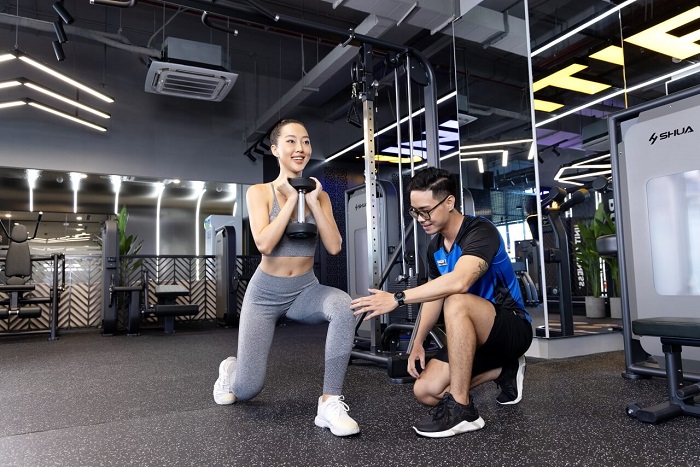
Từng nhân sự của Unity Fitness sẽ được tuyển chọn vô cùng khắt khe về thái độ cũng như kỹ năng nhằm bảo đảm mang đến trải nghiệm tốt nhất cho khách hàng. Các huấn luyện viên tại phòng gym Unity Fitness sẽ có ít nhất 3 chứng chỉ quốc tế như MT – Blade, IASTM Fitness, Movement,… khi đó mới dạy học viên. Tất cả các giảng viên đều làm việc lâu năm và có kinh nghiệm trong việc truyền tải kiến thức và truyền lửa đến từng học viên.
Gym Unity Fitness cam kết
Gym Unity Fitness luôn nỗ lực hướng đến mục tiêu phát triển bền vững, trở thành thương hiệu hàng đầu trong việc cung cấp những dịch vụ tốt nhất cho khách hàng. Dựa vào nội lực của chính bản thân và mở rộng hợp tác với những đối tác khác ở trong nước.
- Cam kết với đối tác: sẽ trở thành đối tác chiến lược trong – ngoài nước trên tinh thần “Hợp tác, phát triển bền vững”. Hợp tác để toàn diện lâu dài để kịp thời mang đến các dịch vụ chăm sóc và nâng cao sức khỏe tốt nhất
- Cam kết với quý khách hàng: luôn làm hài lòng khách hàng về từng dịch vụ do Unity Fitness cung cấp. Mức độ hài lòng của quý khách hàng chính là thước đo uy tín hiệu quả của chúng tôi. Giá thành từng dịch vụ hợp lý, sẽ được cập nhật chính xác và kịp thời nhằm phục vụ quý khách hàng tốt nhất. Luôn lắng nghe, phân tích cũng như học hỏi từ thị trường ở trong – ngoài nước. Luôn nhìn lại chặng đường đã đi để phát triển. Mỗi nhân viên sẽ là một thương hiệu cá nhân. Mỗi nhân viên sẽ là đại sứ thiện chí của Unity Fitness đối với thế giới ở bên ngoài.
Mục tiêu phát triển trong tương lai
Gym Unity Fitness sẽ không ngừng vươn xa, mở rộng hệ thống phòng tập gym trải dài khắp các quận/ phường tại Hà Nội với tiêu chí phát triển và hiệu quả. Mức độ tăng tưởng mạnh mẽ cả về nguồn vốn, mô hình và mạng lưới hoạt động và chất lượng nguồn nhân lực không chỉ thể hiện từng khởi sắc mà còn là dấu ấn quan trọng trong từng hoạt động,